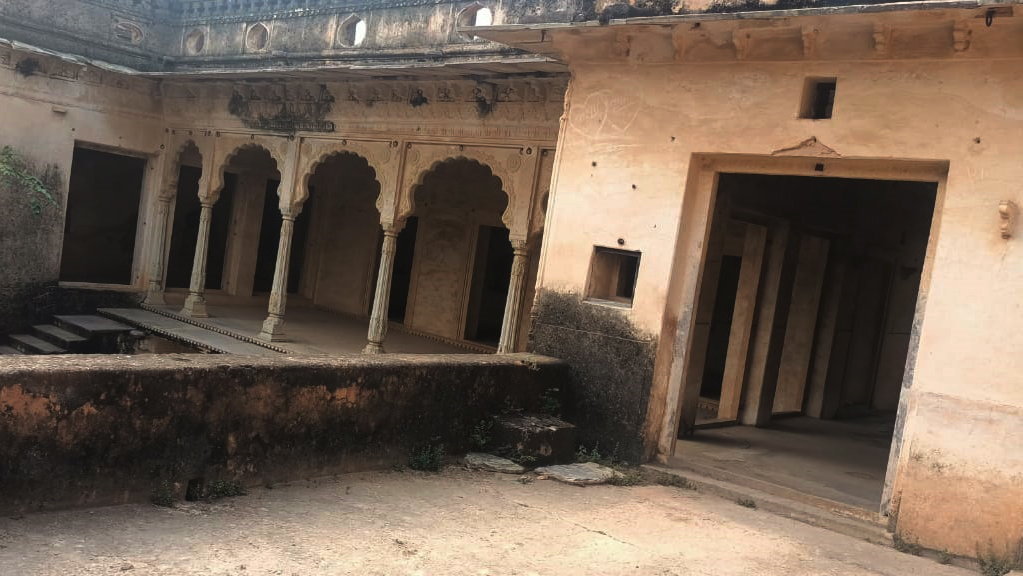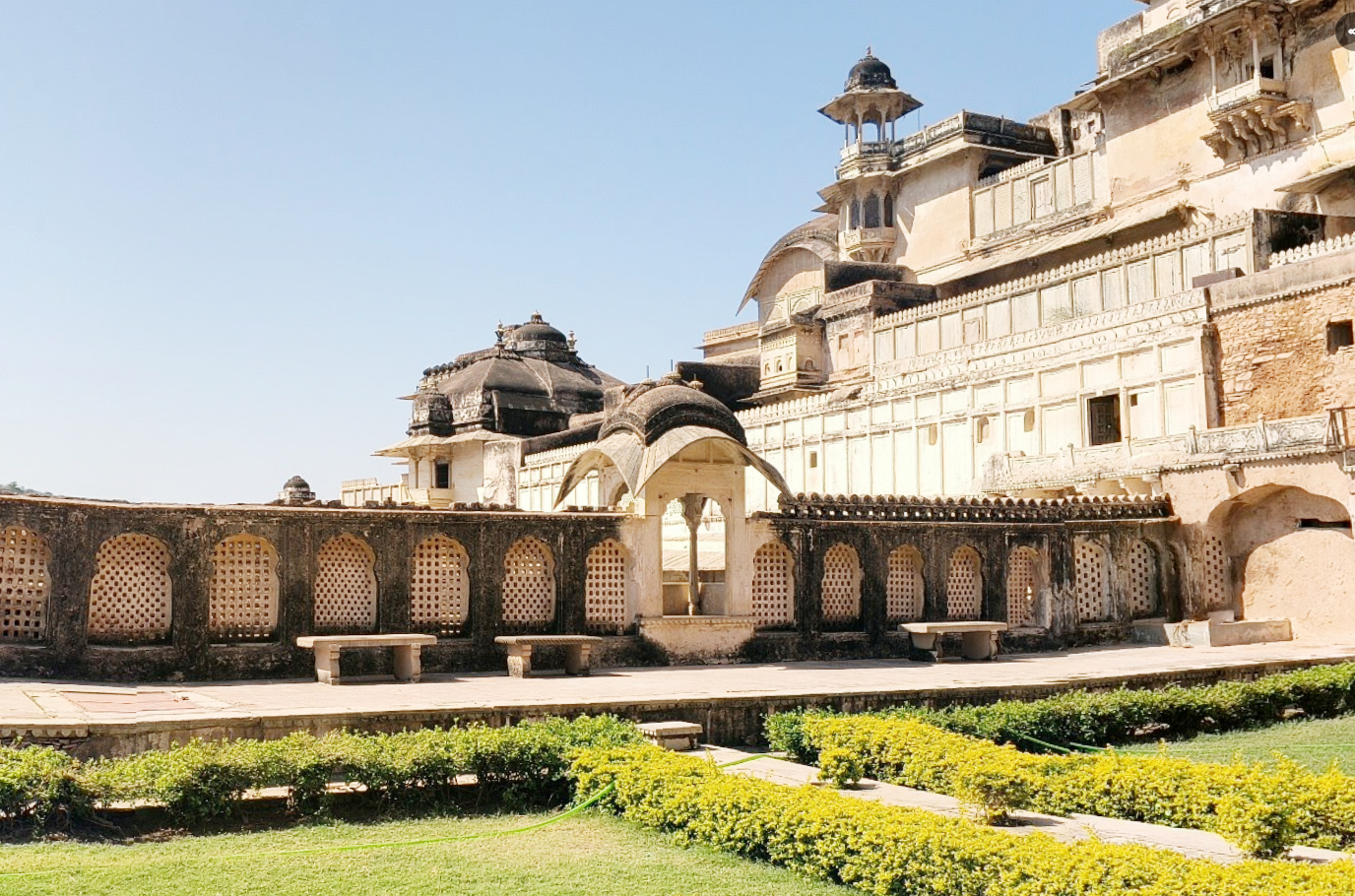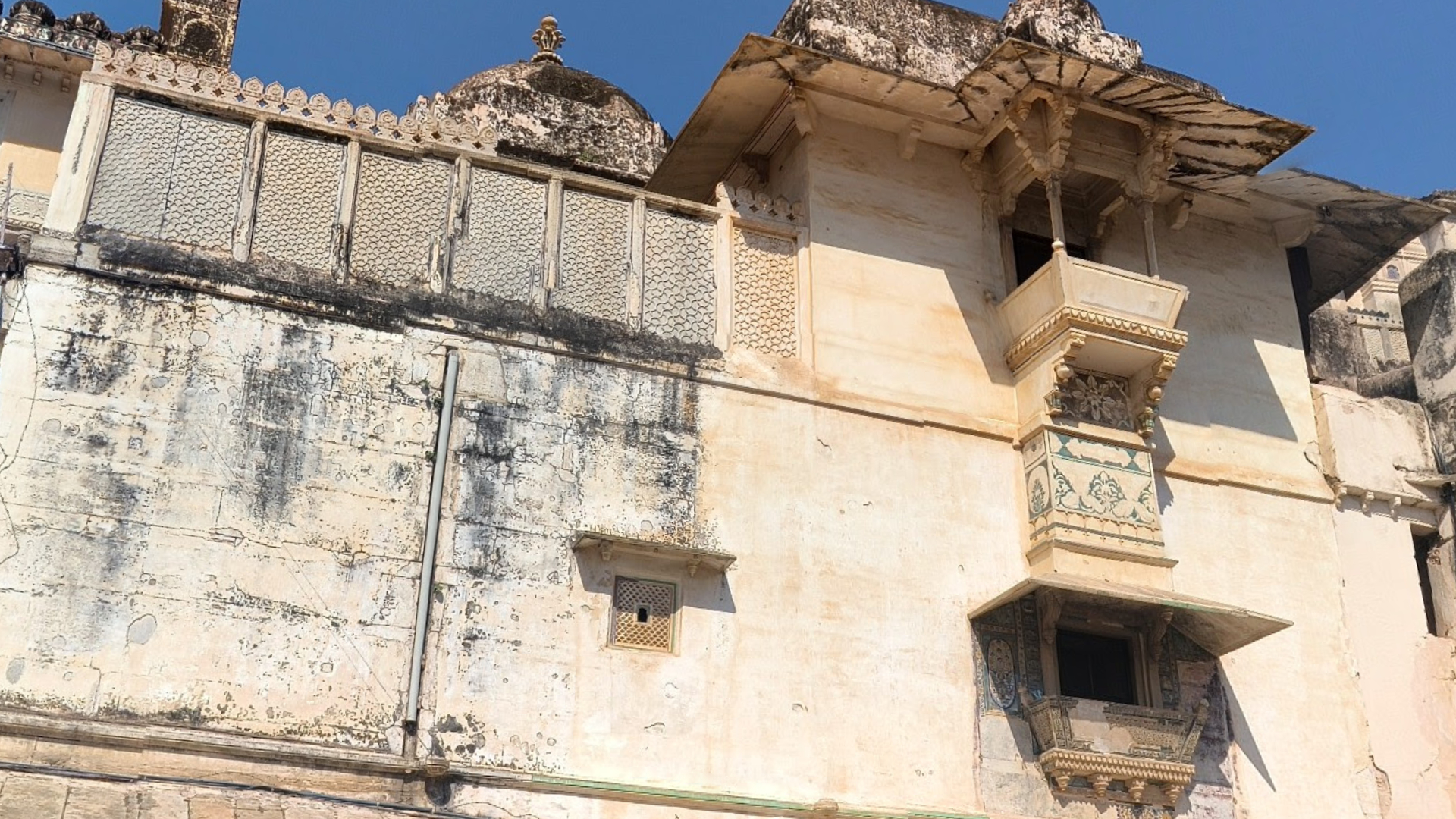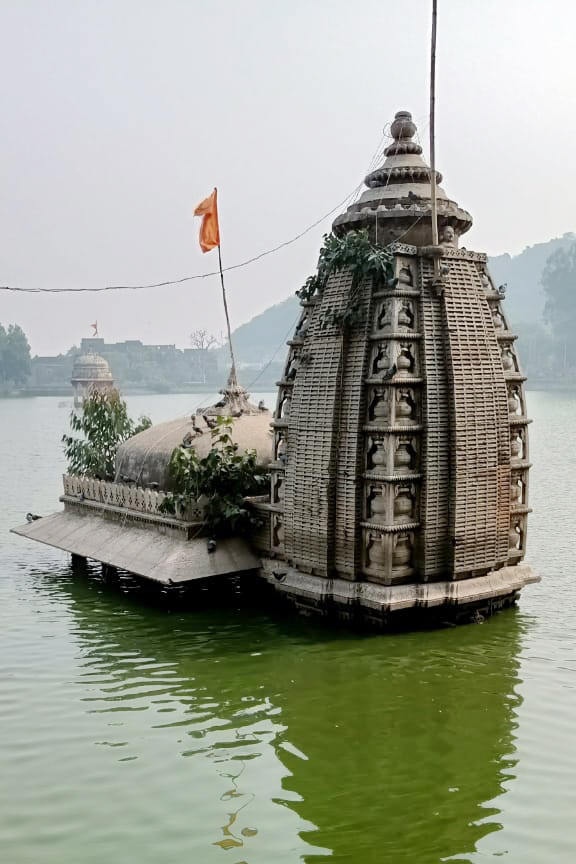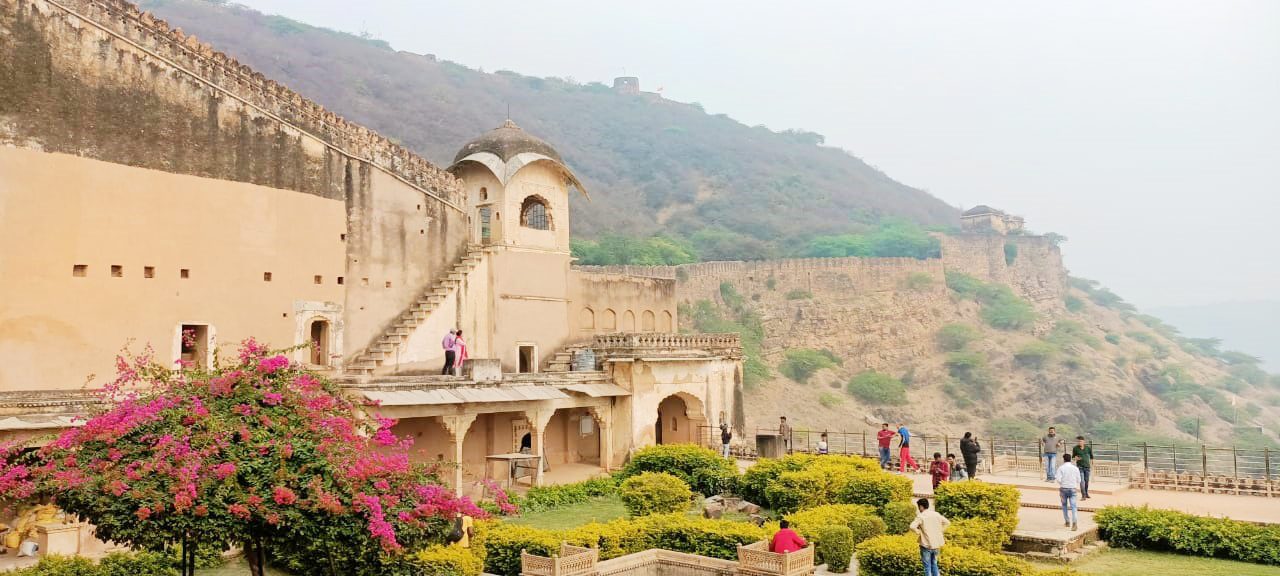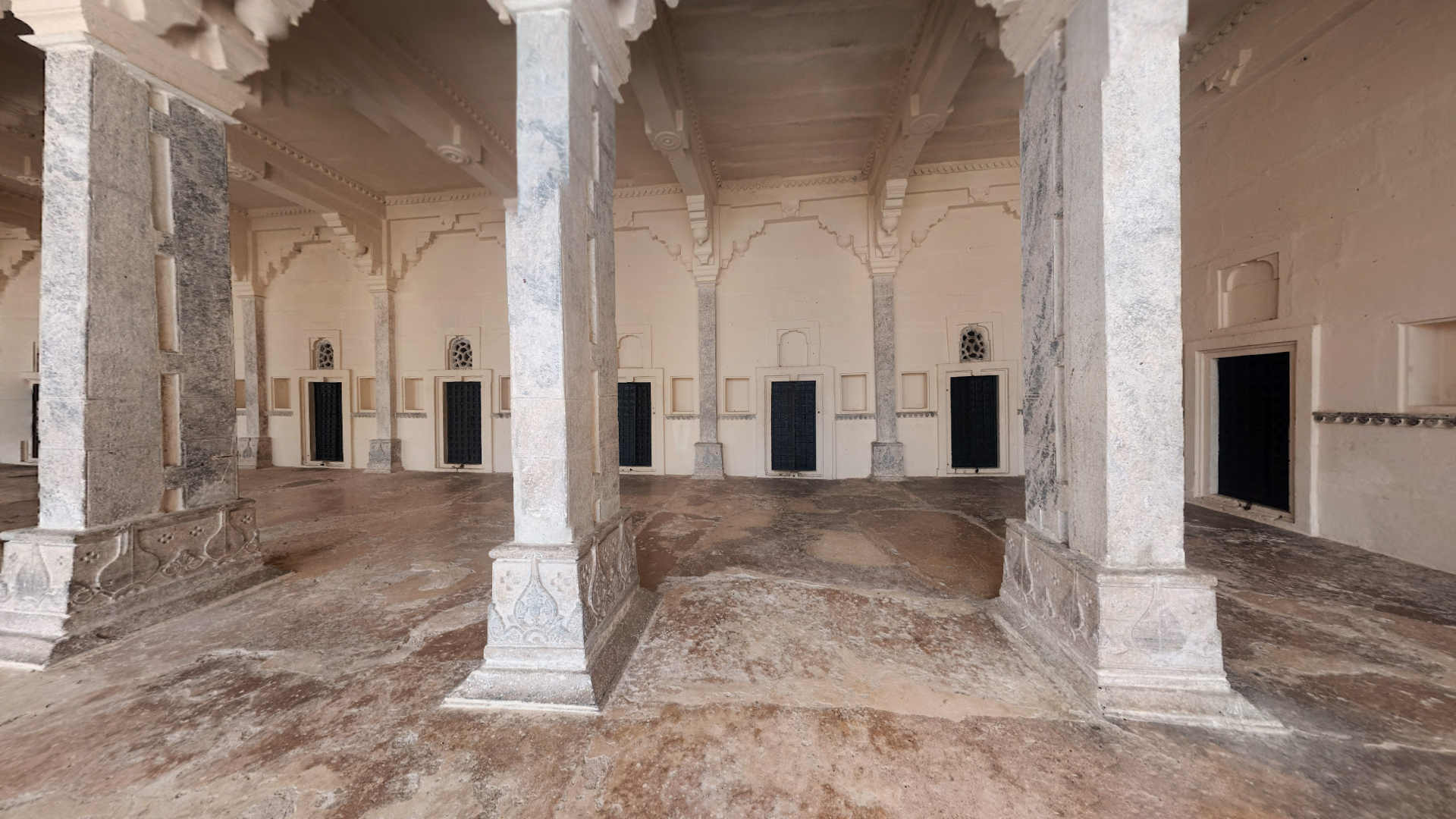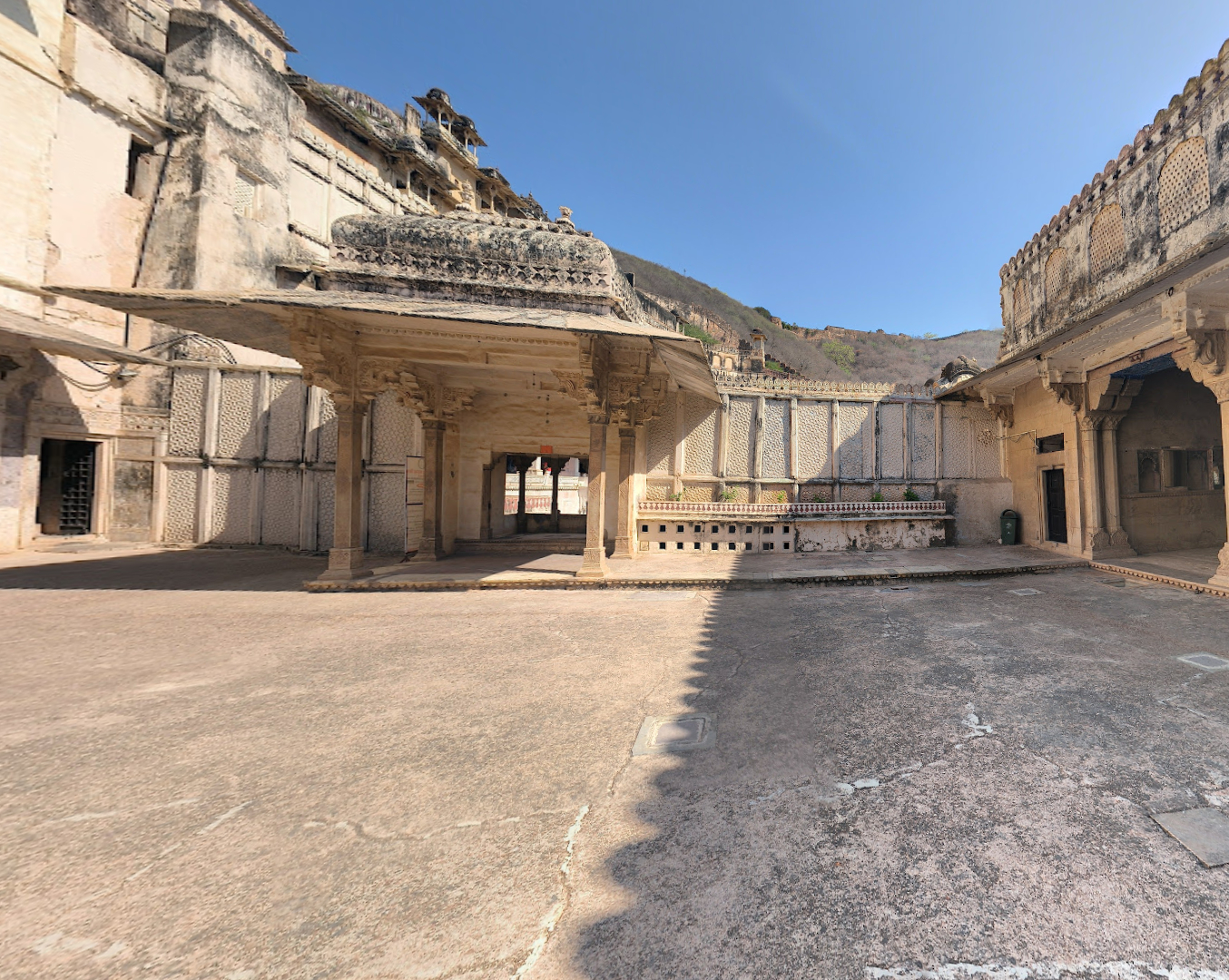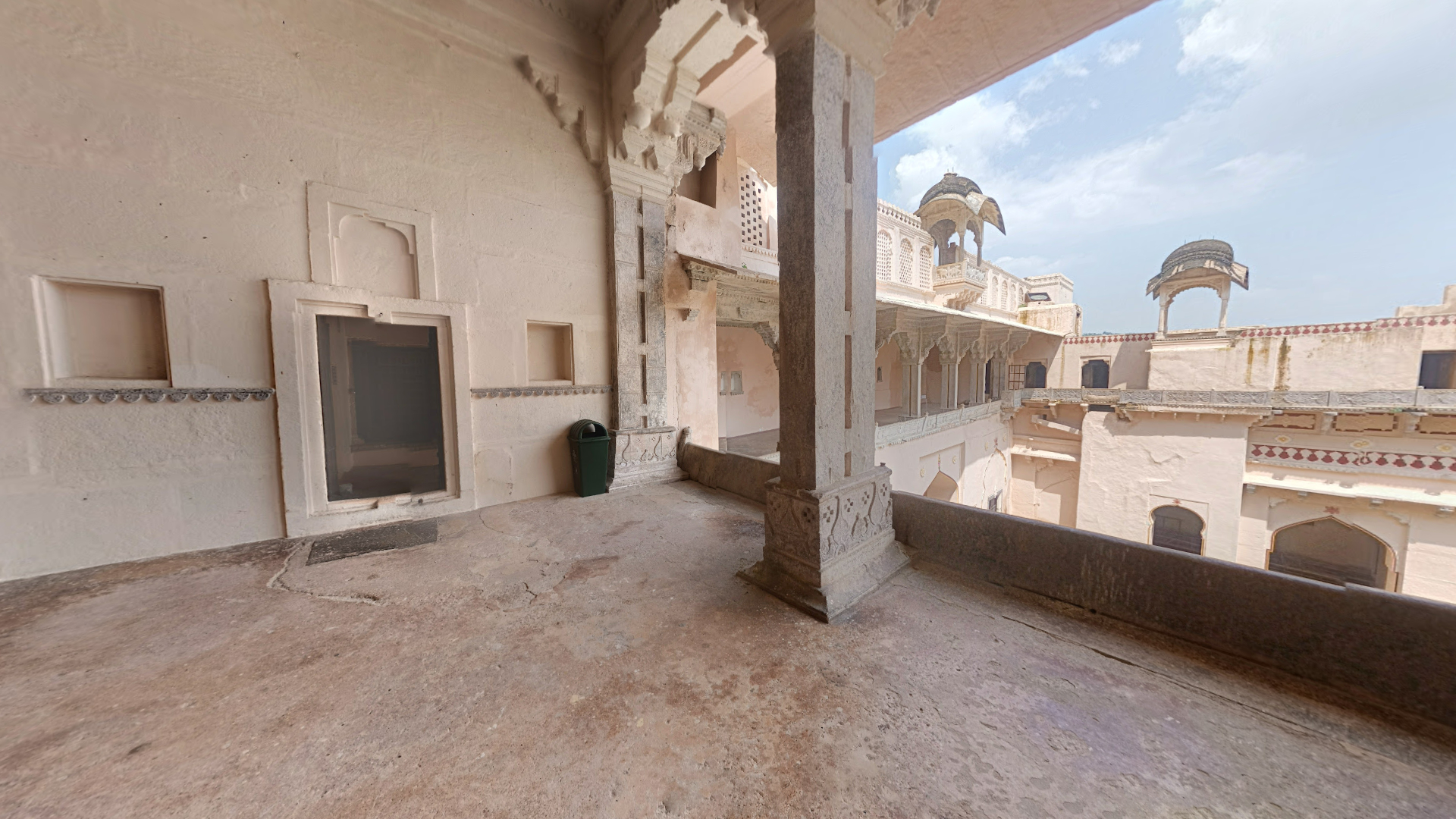

Taragarh Fort is also known as Bundi Fort. Which is built on 500 meter height of hill. The Fort is built in the 13th century by Rao Singh Bar under the reign of King Ajaypal Chouhan. This fort have many attraction places with their owner name. like C
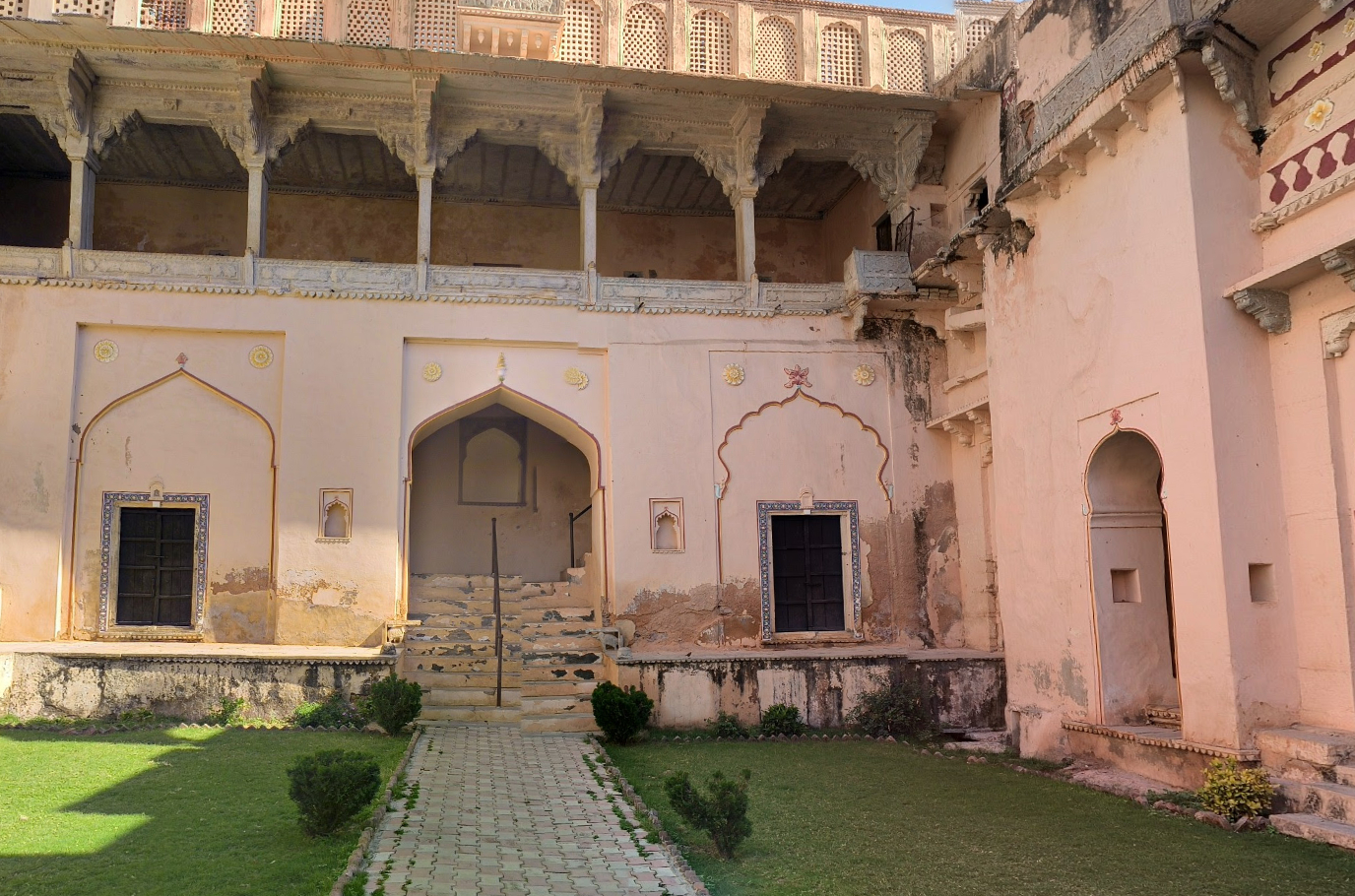
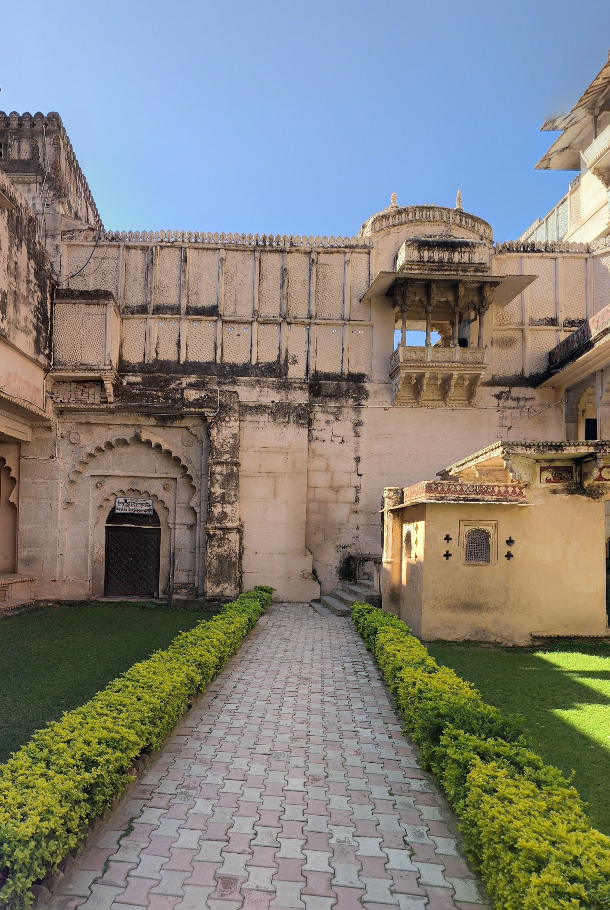
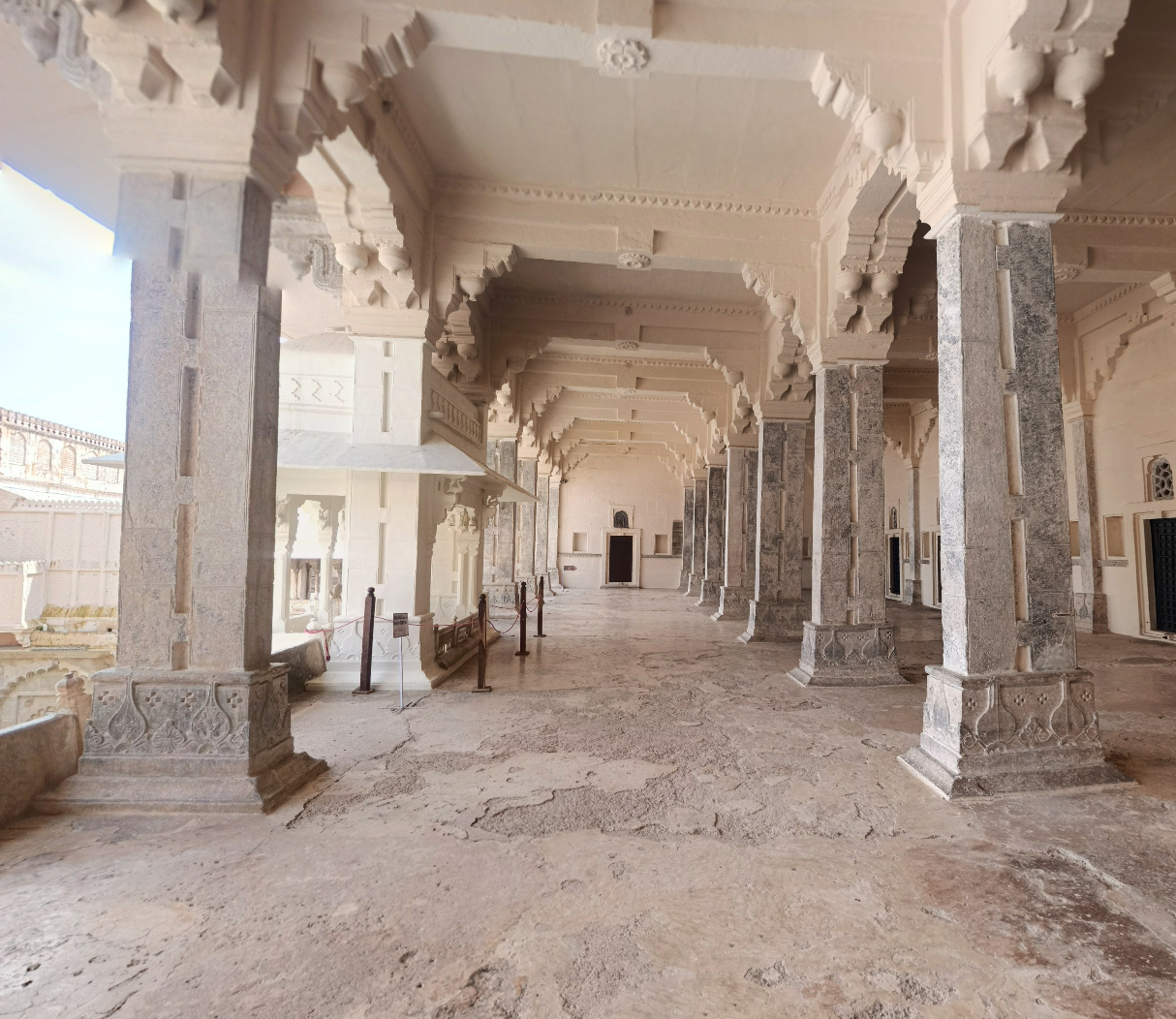
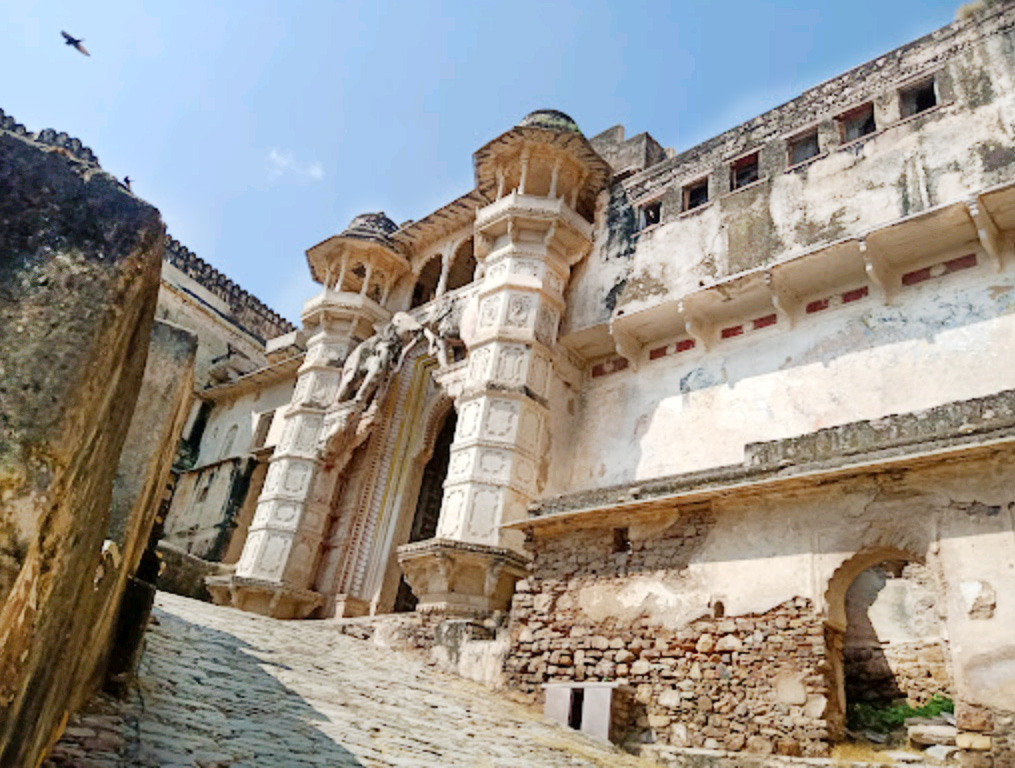
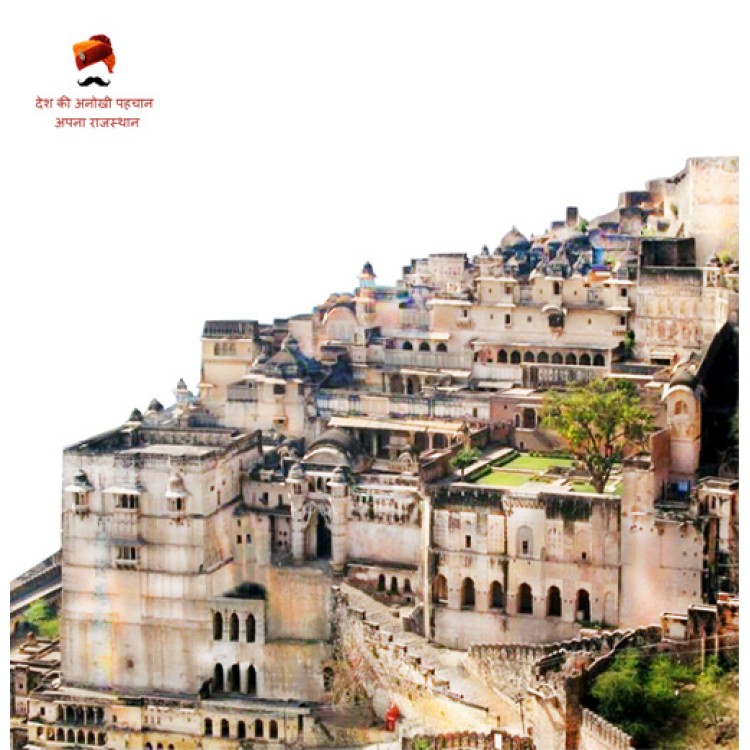
Taragarh Fort is also known as Bundi Fort. Which is built on 500 meter height of hill. The Fort is built in the 13th century by Rao Singh Bar under the reign of King Ajaypal Chouhan. This fort have many attraction places with their owner name. like Chhatra Mahal, Anirud Mahal, Ratan Mahal, Badal Mahal, and Phool Mahal are very beautiful.
In between October and March the fort's attraction is increased with nature. So this is good time to visit this fort. In summer the temperature of this place is high so you may face struggle. The temperature reached 40-48 degree in summer which is very hot.
The fort gets its name (Taragarh meaning Star Fort) because of its layout. While it looks like a chaotic sprawl from the ground, if you could see it from a drone or a high-altitude map, the massive outer walls form a distinct polygon star shape. This wasn't for aesthetics; the star-shaped bastions allowed defenders to fire at enemies from multiple angles, leaving virtually no "blind spots" at the base of the walls.
This fort is open whole week from :9:00 AM to 05:30 PM. You need minimum 3-4 hours to properly enjoy in this fort.
The main Attraction of Taragarh Fort are:-
Notice:-
The Monkey Tax: The monkeys here are the "owners" of the fort. Don't carry plastic bags or food in your hands; they know what those sounds mean. If you carry a sturdy walking stick, they’ll generally give you a wide berth.
The Viewpoint: Don't stop at the first gate. Hike all the way to the highest point of the ramparts at sunset. You’ll see why Bundi is called the "Blue City"—from up there, the indigo-washed houses of the old town look like a blue lake spilling out from the foot of the hill.
Footwear Matters: This isn't a paved walk. It’s a steep, rocky scramble. Wear actual shoes, not flip-flops, as the "path" is often shared with loose stones and the occasional peacock feather.